


Maintenance of Fabrics Used in DTF Printing
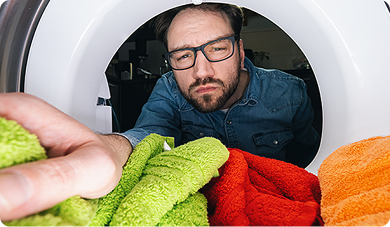
Proper washing and handling conditions for fabrics printed with DTF technology significantly extend print durability.
All garments and fabrics printed with DTF (Direct-to-Film) technology require gentler handling during washing, drying, and ironing. The print is particularly sensitive to “stronger” wash cycles, where higher temperatures and high spin speeds are present. Such conditions can affect both the fabric and the print over time: colors may begin to fade, the print may crack, and in extreme cases, it may partially peel off. Therefore, for long-lasting durability, it is recommended to follow the instructions below.
Washing Machine
- Do not overload the washing machine. The recommended amount of clothing per wash is approximately 10–15 pieces, depending on the thickness and weight of the materials. Too many garments increase friction and reduce washing efficiency.
- Always turn garments inside out. This protects the printed graphics from wear caused by mutual rubbing during washing and direct contact with the drum walls.
Detergent (DTF Print)
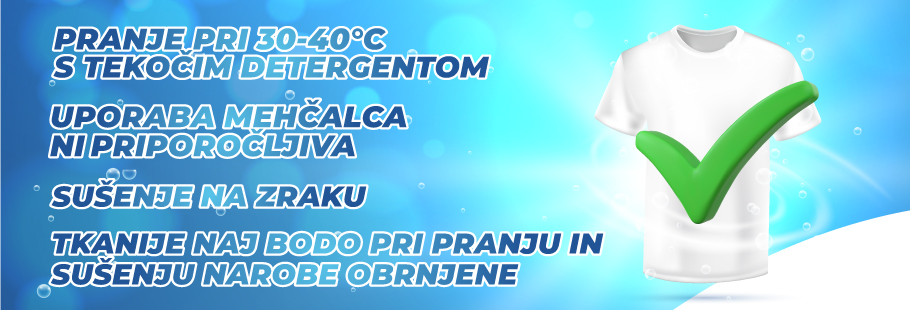
For the long durability you expect from DTF printing, choosing the right detergent is also very important. For fabrics printed with DTF printing (produced on DTF printers), we recommend using liquid detergent instead of washing powder. Washing powder granules can increase friction and fiber irritation, which can deteriorate the durability of DTF printing over time (e.g., fading or micro-cracks on the print).
We do not recommend fabric softener for DTF printing, as in many cases it accelerates DTF print peeling. Fabric softener can accumulate in the fibers and on the fabric surface, making it harder for water and detergent to penetrate the material, consequently making odors and stains more difficult to remove. Basic rule for DTF printing: do not use fabric softener. If you still insist on using it, the amount should be very small so as not to affect the adhesion and durability of DTF printing.
Wash Cycle Settings (DTF Print)
To keep DTF printing (produced with DTF printers) vibrant, high-contrast, and undamaged for as long as possible, select gentler settings:
- Wash temperature: 30–40°C or cold wash (safest for DTF printing).
- Spin: moderate, approximately 600–800 rpm, as high speeds increase mechanical stress on DTF printing.
- Cycle duration: shorter cycles are recommended (approximately 30 min to 1 h), as they place less stress on both the fabric and DTF printing.
Avoid immediate re-washing. Do not immediately put already washed wet shirts printed with DTF printing into a new cycle. Wet fibers are more sensitive and easier to damage, which can also negatively affect the DTF printing layer created by DTF printers.
Fabric Drying (DTF Print)
After washing, the best choice for DTF printing is air drying. A tumble dryer is not recommended, as high temperatures and additional mechanical “tumbling” can accelerate wear on DTF printing (cracks, edge peeling, or fading).
If drying in the sun, garments printed with DTF printing should be turned inside out (the printed side should be on the inside). Sunlight can reduce color vibrancy and cause fading due to photodegradation (pigment breakdown under UV light exposure), which affects DTF printing more quickly.
Fabric Ironing (DTF Print)
When ironing garments with DTF printing, avoid direct pressure from the iron on the print. The safest approach for DTF printing produced by DTF printers is:
preferably steam ironing, as it is gentler on the fibers and helps keep DTF printing stable, while the iron glides more easily over the surface (especially on dark or more delicate fabrics).
ironing inside out or through a protective cloth / parchment paper,
using low to medium temperature (depending on the material),
Related Articles
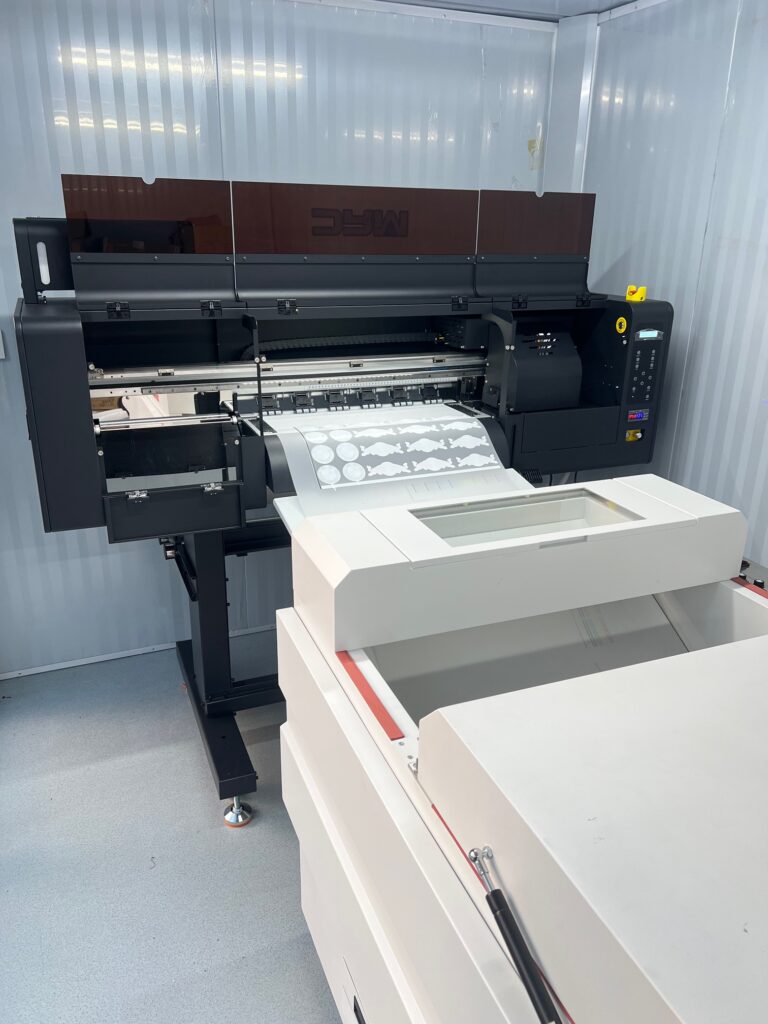
Successful installation of a DTF printer in Carinthia (near Slovenj Gradec) Over the past few days, we successfully completed the installation and commissioning of a DTF printer for a client in the Carinthia region, near Slovenj Gradec. The project included the complete system setup, calibration, and a test run, ensuring the printer is immediately ready…
READ MORE
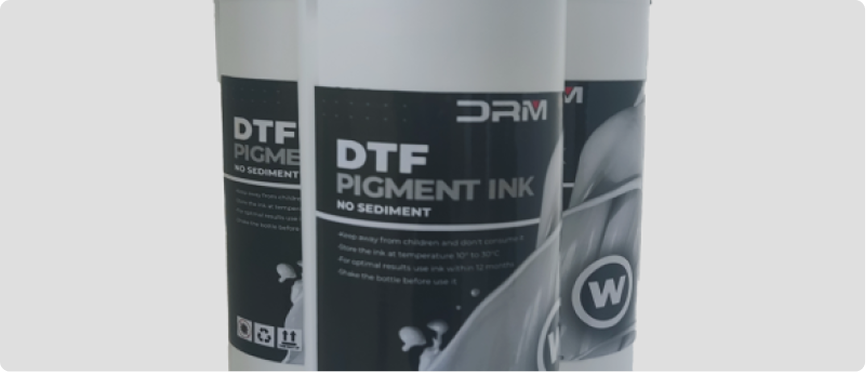
In DTF printing (Direct-to-Film), white ink is essential. It serves as a base for all other colors, ensuring prints are vibrant, high-contrast, and durable – regardless of the textile’s color or type.
READ MORE
A Comprehensive Guide to UV DTF Transfers: Everything You Need to Know Table of Contents What are UV DTF Cup Transfers? Detailed Process Description: How are UV DTF Cup Transfers Applied? Are UV DTF…
READ MORE