


A Comprehensive Guide to UV DTF Cup Wraps: Everything You Need to Know
What are UV DTF Cup Transfers?
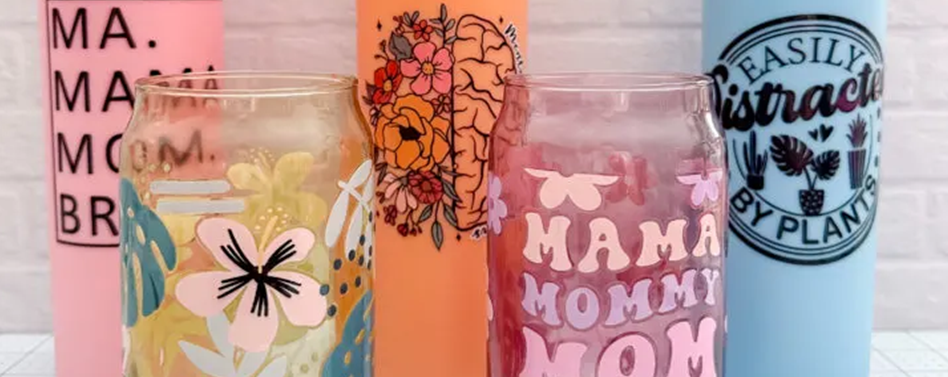
In today’s digital age, personalization is key – even for the cups, glasses, and bottles we use every day. Whether it’s a beer glass, a coffee mug, or a water bottle, a unique design can quickly create a standout product. This is where UV DTF transfers come in: a modern solution that combines UV/DTF printing, special UV/DTF films, and durable UV/DTF inks to firmly adhere the design to the surface.
What are UV DTF Cup Transfers?
UV DTF cup transfers are special transfers (wraps/transfers) produced using the UV/DTF printing process, where the design is first printed onto a dedicated UV/DTF film using UV/DTF inks (UV-curable inks). The design is then transferred to the cup or other object using a transfer film.
In practice, this means:
- the design can be very precise (even tiny text),
- colors are vibrant and rich,
- transfer is fast and suitable for smaller batches.
For best results, UV/DTF printers and compatible UV/DTF materials (films, varnishes/adhesives, inks) are used.
Detailed Process Description (UV/DTF Printing)
Below is a typical process explaining how a UV DTF cup transfer is created, from design to final product.
1) Creating the Design
First, prepare the design in a graphic program (logo, text, illustration, QR code, etc.). For UV/DTF printing, it is important that the file is of sufficient quality, as UV/DTF printers can print very fine details.
2) Printing on UV/DTF Film
The design is printed onto a special UV/DTF film using UV/DTF inks. During this process, UV light instantly cures the ink, so prints are typically very sharp and color-rich. This step often involves a combination of colors + protective layers, depending on the chosen UV/DTF materials.
3) Preparing the Transfer
After printing, a transfer is created, ready for application. In practice, this means you have the design on a film that can be transferred to the cup. The quality of this step is closely related to the UV/DTF films and UV/DTF inks you use.
4) Application to the Cup
Place the transfer on the cup and align it. Then, apply even pressure to ensure the design adheres well to the surface. For UV/DTF printing, it is important that the surface is clean (free of dust, grease, moisture), as this affects the adhesion of UV/DTF materials.
5) Final Curing
After transfer, additional UV light can be used to further cure the layers. This improves the durability and resistance of the transfer. Properly selected UV/DTF inks and compatible UV/DTF materials play a significant role in this.
Advantages of UV DTF Transfers (UV/DTF Printing)
UV DTF transfers offer several concrete advantages, making them popular for cup personalization:
- Vibrant colors: UV/DTF inks produce strong, rich hues and high contrast.
- High precision: UV/DTF printers enable printing of fine details and complex designs.
- Durability: Cured layers are typically more resistant to wear, fading, and water (depending on UV/DTF materials and correct application).
- Fast production: UV curing is quick, making UV/DTF printing suitable for efficient serial production.
- Wide application: Transfers can be used for glasses, cups, thermoses, bottles, and other smooth surfaces (again, depending on the type of UV/DTF film and surface).
Important: For a stable result, high-quality UV/DTF materials, the right UV/DTF films, and correctly configured UV/DTF printers are crucial.
If you wish, I can immediately complete the remaining sections from your list (water resistance, dishwasher safety, application instructions, environmental benefits) in the same style and with the same keywords UV/DTF printing / UV/DTF printers / UV/DTF materials / UV/DTF inks / UV/DTF films.
Related Articles
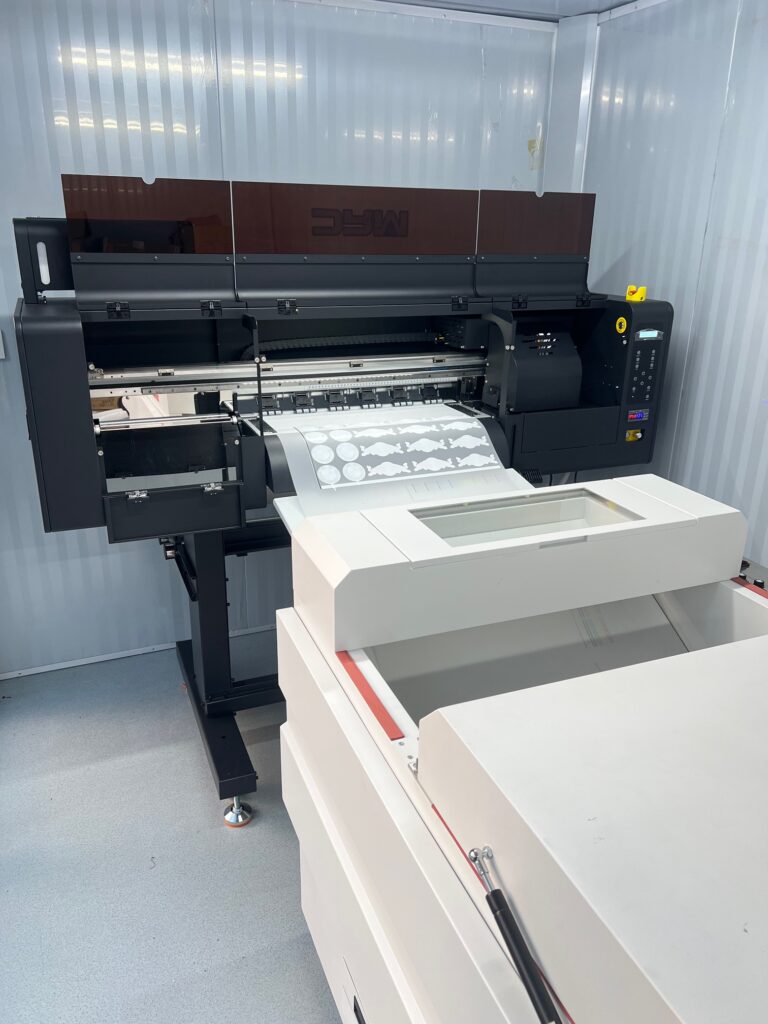
Successful installation of a DTF printer in Carinthia (near Slovenj Gradec) Over the past few days, we successfully completed the installation and commissioning of a DTF printer for a client in the Carinthia region, near Slovenj Gradec. The project included the complete system setup, calibration, and a test run, ensuring the printer is immediately ready…
READ MORE
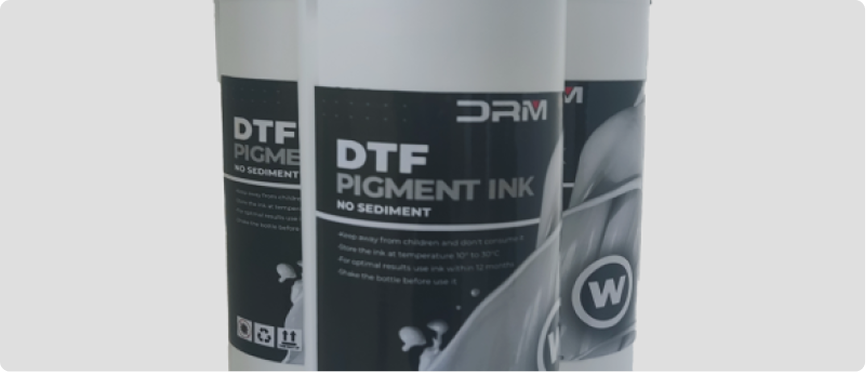
In DTF printing (Direct-to-Film), white ink is essential. It serves as a base for all other colors, ensuring prints are vibrant, high-contrast, and durable – regardless of the textile’s color or type.
READ MORE
Proper washing and handling conditions for fabrics printed with DTF technology will ensure longer print durability. All fabrics printed using DTF technology require gentle handling when it comes to washing, drying, and ironing.
READ MORE